
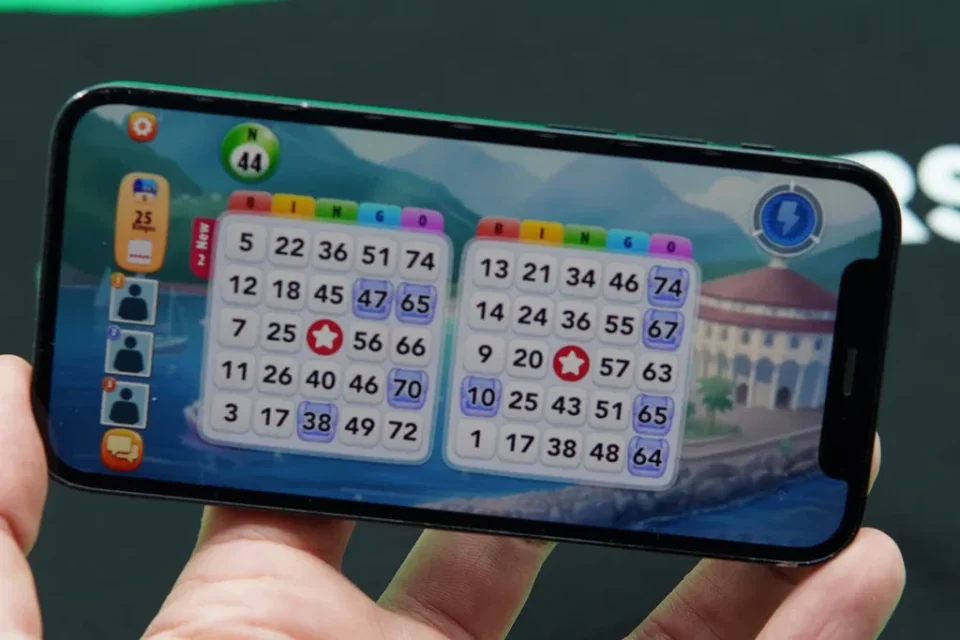
For generations, bingo existed as a stationary ritual. It required physical presence: sitting at folding tables beneath fluorescent lights in a local parish hall or community center, juggling multiple paper cards, and keeping an eye on the caller while clutching an ink-stained dauber. The experience was tied to a calendar, a place, and a shared schedule. If you could not make it through the hall doors on a designated Tuesday evening, the game simply went on without you.
Fast forward to the present day, and that traditional framework has been radically redrawn. Bingo has migrated from crowded halls and static desktop computer screens directly into the palms of millions of players worldwide. What was once an evening-long event is now an on-demand pastime enjoyed on park benches, during subway commutes, or in quiet moments before bed. The surging popularity of mobile bingo is not merely an accident of smartphone ubiquity. Rather, it reflects a thoughtful modernization of a classic format that honors the game’s communal roots while leveraging the fast, adaptive nature of mobile technology.
From Scheduled Event to Everyday Convenience
The single most disruptive factor driving the mobile bingo boom is accessibility. Traditional bingo demands a substantial commitment of both time and logistics. A player had to commute, arrive early to purchase booklets, find a seat, and stay through hours of scheduled rounds.
Mobile gameplay eliminates every single one of these operational hurdles. Modern apps allow enthusiasts to launch a room and enter a round within seconds. Whether a player has twenty minutes to spare on a lunch break or wants to squeeze in a quick three-minute round while waiting for a flight, the game adapts to their timetable rather than forcing them to adapt to its schedule.
Furthermore, modern smartphones provide a uniquely tactile medium that mirrors the physical ritual of the game. Tapping a vibrant digital grid with a fingertip delivers an intuitive, responsive snap that feels closer to stamping physical paper than clicking a desktop mouse ever did. Haptic feedback reinforces that connection, providing subtle physical vibrations with every marked digit. Players get the sensory satisfaction of the traditional dauber, stripped of the mess, the paper waste, and the physical clutter.
Intelligent Mechanics and Flexible Pacing
Early adaptations of online bingo often frustrated players because managing multiple cards on small screens could easily become overwhelming. In a physical hall, missing a number called too quickly could spoil an entire evening. Mobile developers solved this friction point by building intelligent, user-centric features directly into the core engine.
Features like smart auto-daubing have fundamentally expanded what players can manage. Instead of frantically scanning eight separate grids as numbers fly by, players can let the software identify and mark matching tiles automatically. This does not strip away the fun; instead, it shifts the player’s focus from clerical bookkeeping to pure anticipation and social conversation. For those who relish the adrenaline rush of active participation, manual daubing modes remain available, often paired with scoring multipliers that reward lightning-fast reflexes and pinpoint accuracy.
The Rise of Speed Rounds and Hybrid Formats
Alongside automated assists, mobile gaming has introduced a wave of innovative formats designed specifically for smaller screens and shorter attention spans. Traditional rounds with lengthy draws have been complemented by high-octane speed bingo. These two-minute matches compress the suspense into rapid-fire bursts, keeping energy levels high throughout the round.
Simultaneously, the genre has witnessed the explosive rise of hybrid formats. Games like Slingo, which merges the number-matching grid of bingo with the spinning reels of classic slots, provide an entirely fresh layer of tactical decision-making. Other competitive apps introduce power-ups, wild markers, and time freezes, creating skill-based variants where identical boards are issued to players to see who can strategize and daub their way to the top of a leaderboard. These iterations demonstrate how versatile the basic grid framework truly is, proving that an old-school pastime can thrive when infused with modern video game mechanics.
Reviving the Social Element in Digital Spaces
Skeptics originally predicted that bringing bingo to personal devices would strip the game of its greatest asset: human connection. After all, community is the glue that held physical bingo halls together for a century. People did not just gather for cash pots; they gathered to share neighborhood gossip, celebrate milestones, and catch up with familiar faces.
Far from isolating players, modern mobile bingo platforms have doubled down on community building. Integrated real-time chat rooms sit alongside active game boards, allowing participants to share congratulations, trade friendly banter, and build genuine friendships across continents. Moderated chat games run parallel to main rounds, handing out bonus credits and keeping conversation lively even during brief pauses between calls.
More recently, the integration of live interactive callers has blurred the line between mobile gaming and live entertainment. Rather than relying solely on automated voice prompts and graphic number generators, premium mobile platforms feature real human presenters broadcasting directly from high-definition studios. These charismatic hosts interact with live chat comments in real time, tell stories, celebrate individual wins, and introduce a warmth that feels remarkably close to the neighborhood hall. For players living in isolated areas or those unable to travel to physical venues, mobile bingo provides a vital, welcoming social hub.
Visual Storytelling and Gamified Progression
Another layer powering mobile bingo’s ongoing resurgence is visual and structural polish. The days of plain blue grids on static grey backgrounds are long gone. Contemporary mobile titles treat bingo as a vehicle for narrative exploration and world-building.
Many top-performing games frame rounds within thematic adventures. Players might travel through stylized depictions of global cities, solve lighthearted mystery plots, or collect antique items to decorate virtual spaces. Completing specific winning patterns or seasonal tournaments yields customized tokens, vibrant avatar costumes, and collectible daubers.
This gamified progression model gives players a compelling sense of long-term purpose. A match is no longer an isolated, disposable round; it is part of an ongoing personal journey. That constant feeling of forward momentum appeals directly to modern casual gamers who expect modern apps to reward consistent loyalty and engagement.
Universal Legibility Across Generations
Video gaming often carries high barriers to entry. Complex control layouts, demanding hardware requirements, and steep learning curves tend to alienate casual audiences. Bingo, by contrast, possesses a rare and powerful attribute: universal legibility.
Virtually everyone understands the premise within five seconds. You hear a number, find the coordinate, and hope the line fills out before anyone else’s. That zero-friction barrier makes mobile bingo uniquely cross-generational. It is one of the few digital gaming genres where twenty-somethings, working parents, and tech-savvy retirees participate on equal footing within the same digital lobby.
Mobile developers have capitalized on this universal appeal by refining intuitive, clean interfaces that perform smoothly across both budget smartphones and top-tier tablets. By combining lightweight design with effortless touch controls, mobile bingo welcomes an expansive audience that traditional console and PC gaming routinely leaves behind.
The Enduring Charm of the Modern Grid
The transition of bingo from community halls to handheld screens illustrates how timeless games survive in a hyper-connected world. Mobile bingo did not succeed by abandoning its heritage; it succeeded by stripping away the friction of physical logistics and replacing it with accessibility, speed, and creative mechanics.
Whether driven by the satisfaction of a two-minute speed round, the communal laughter of an active live chat, or the nostalgic anticipation of waiting on that final elusive call, mobile bingo has cemented its position as a staple of modern casual entertainment. As hardware and streaming technology continue to evolve, the game will undoubtedly discover fresh dimensions, proving that the simple joy of waiting for a number never really goes out of style.
