
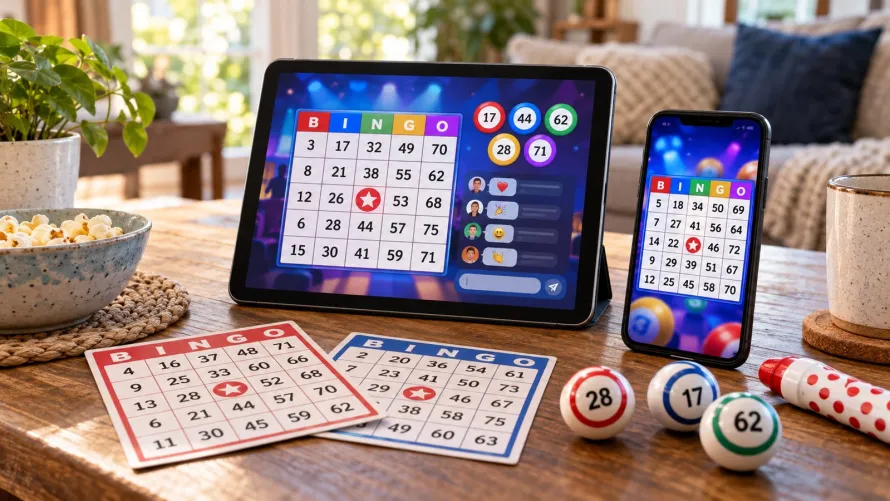
For decades, bingo carried an unmistakable visual identity: fluorescent-lit community halls, well-worn blotters, paper ticket booklets, and the rhythmic drone of a caller echoing over long communal tables. It was an inherently tactile, social ritual. When the game first made the leap to desktop browsers in the early days of online gaming, much of that charm was flattened into mechanical number-matching. Players clicked static grids in isolation, and the format felt more like automated data entry than entertainment.
Today, that narrative has shifted entirely. Mobile bingo has quietly evolved into one of the most dynamic sectors in casual digital entertainment. Spurred by mobile-first development, demographic transformations, and sophisticated game design, developers are no longer treating bingo as a simple retro port. Instead, they are reimagining it as a hybrid, community-centered gaming experience that competes directly with mainstream puzzle titles and social apps for everyday screen time.
The Shift Toward Hybrid Mechanics
The modern mobile audience rarely settles for pure chance. While traditional bingo relied entirely on luck and number distribution, contemporary mobile iterations introduce layers of player agency that transform passive watching into active engagement.
Gamified Progression and Narrative Arcs
Modern titles frequently borrow structural mechanics from casual RPGs and puzzle adventures. Rather than presenting players with isolated, repetitive rounds, newer releases frame matches inside broader story-driven journeys. Players unlock seasonal travel destinations, renovate virtual venues, or uncover narrative clues by hitting specific winning patterns. This persistent sense of progression gives casual users a tangible goal beyond an individual scorecard, turning a ten-minute break into a meaningful step toward completing a larger collection.
Speed Daubing and Strategic Boosters
Developers have introduced mechanical depth through speed-based scoring and dynamic power-ups. Features such as instant bonuses for rapid daubing, wild-number tokens, and freeze mechanics reward quick reflexes and tactical decision-making. These additions do not compromise the foundational simplicity of bingo, but they inject an adrenaline-fueled tempo that aligns closely with modern mobile gaming habits.
Rebuilding the Social Core Through Real-Time Connectivity
The greatest challenge of digitizing bingo was always recreating the spontaneous human connection of the physical hall. Solitary play runs contrary to the spirit of the game. To address this, developers have invested heavily in tools that foster genuine real-time community interaction.
Live-Hosted Rooms and Interactive Streaming
One of the most defining shifts in mobile bingo is the rise of live, interactive presenters. Borrowing the interactive energy of live streaming platforms, dedicated studio hosts now call games in real time, crack jokes, run spontaneous trivia contests in chat lobbies, and celebrate player milestones on camera. This human presence restores warmth to the experience. Players are no longer just staring at an algorithmically generated random number generator; they are participating in a shared broadcast.
Cooperative Play and Social Clubs
Mobile gaming thrives on social accountability. Rather than positioning every participant as a rival, forward-looking bingo apps emphasize cooperative club mechanics. Players join syndicates or neighborhood teams to tackle shared weekly milestones, unlock communal prize chests, and send each other complimentary daily daubers. In-game chat channels, custom reaction animations, and cooperative mini-challenges turn casual strangers into regular digital companions.
Session Architecture and Frictionless Accessibility
Mobile players consume entertainment in fragments. They jump into apps while commuting, waiting in line, or winding down before sleep. To capture and sustain these brief windows of attention, modern bingo platforms have completely overhauled how sessions are structured.
-
Micro-rounds and speed formats: Accelerated rooms cut the wait time between calls, packing an entire round into ninety seconds to two minutes without sacrificing suspense.
-
Smart auto-daubing flexibility: Automated marking systems eliminate the stress of managing multiple cards manually, allowing players to focus entirely on chatting with friends or strategizing power-up usage.
-
Instant cross-platform continuity: Cloud architecture ensures that a user can start a session on a web browser at home and seamlessly pick up their card or tournament standings on their phone without missing a call.
Eliminating technical friction is paramount. Contemporary titles focus on lightweight builds, ultra-low latency server sync, and intuitive touch interfaces that run reliably across a wide spectrum of smartphone hardware.
Responsive Personalization and Player-Centric Design
The one-size-fits-all lobby is rapidly disappearing. Players now expect platforms to adapt to their preferences, visual tastes, and session duration.
Through adaptive analytics, games can suggest lobbies that match an individual’s historical play style. A user who enjoys quiet, unhurried rounds with classic voice calling will see calm, traditional rooms prioritized. Meanwhile, a player who thrives on competitive leaderboards and rapid tournament formats will be guided toward fast-paced, feature-dense events.
Personalization also extends deeply into visual identity. Players can customize everything from their personal dauber shapes and animated impact effects to the ambient music and table themes. Some players prefer sleek neon aesthetics with electronic beats, while others favor cozy garden settings with gentle acoustic soundtracks. Giving users agency over their sensory environment elevates the overall perception of polish.
The Evolution of Audiovisual Production
For a long time, casual card and numbers games lagged behind other genres in visual ambition. Today, that gap has closed dramatically. Leading development studios treat mobile bingo with the same artistic care typically reserved for high-profile mobile adventure games.
Crisp, high-frame-rate animations accompany every marked square, delivering a tangible sense of impact when a line or pattern is completed. Tactile haptic feedback produces subtle vibrations with every tap, simulating physical contact with paper or chips. Paired with professional spatial audio design, these tactile and sonic details turn a digital interaction into an immensely satisfying physical sensation.
Where Mobile Bingo Goes Next
The trajectory of mobile bingo demonstrates that classic formats do not have to fade when consumer tastes evolve. By respecting the core elements that made the game enduring—accessible rules, anticipatory tension, and social camaraderie—while enthusiastically adopting modern gaming architecture, developers have breathed fresh vitality into a century-old pastime.
As mobile ecosystems continue to embrace richer live interactions, deeper cross-game mechanics, and tailored digital communities, bingo is poised to stand not as a relic of the past, but as a blueprint for how casual, communal games can flourish on modern screens.
