
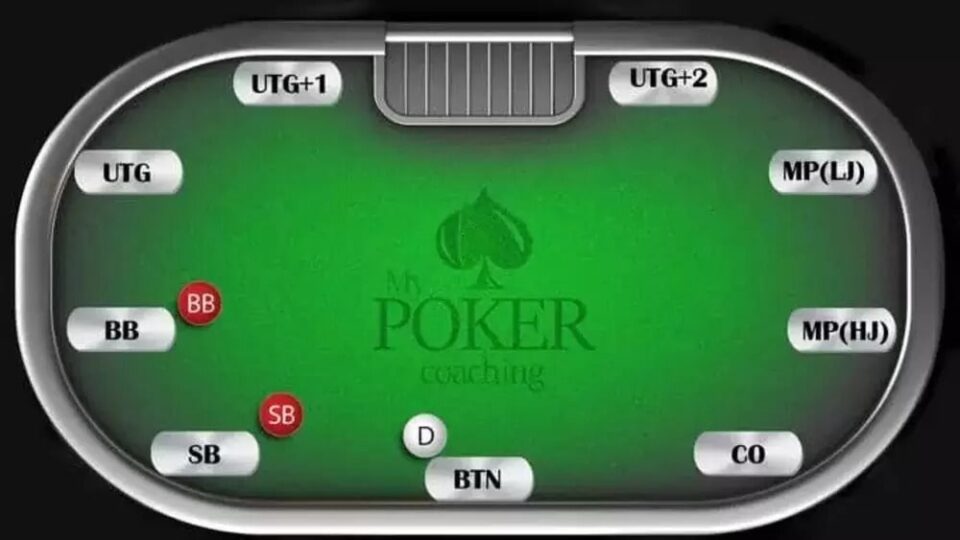
In poker, position is power. Acting later in the betting order gives you more information, more control over pot size, and more opportunities to pressure opponents. Over thousands of hands, strong positional awareness often matters more than fancy bluffs or clever traps. This guide breaks down practical, position-based strategies that consistently improve win rates and reduce costly mistakes.
Why Position Is So Important in Poker
Position determines who acts last in every betting round. Acting later means you get to:
-
Observe opponents’ actions before deciding
-
Make more accurate value bets and bluffs
-
Control pot size with marginal hands
-
Avoid expensive mistakes with incomplete information
Good players exploit position relentlessly, while weak players ignore it and bleed chips over time.
Understanding Poker Positions at the Table
A full-ring table typically divides positions into three categories:
Early Position (EP)
Includes Under the Gun (UTG) and sometimes UTG+1.
-
You act first preflop
-
You face the most uncertainty
-
Your range should be tight and strong
Middle Position (MP)
Sits between early and late position.
-
More flexibility than EP
-
Still vulnerable to aggression behind you
-
Requires selective but adaptable play
Late Position (LP)
Includes Cutoff (CO) and Button (BTN).
-
Maximum information advantage
-
Widest playable hand range
-
Best spots for stealing blinds and applying pressure
Early Position Strategy: Tight, Disciplined, Profitable
Early position is where many long-term losses begin. The solution is discipline.
Best Practices for Early Position
-
Play premium hands only
-
Avoid speculative hands like small suited connectors
-
Raise instead of limping
-
Fold marginal hands aggressively
Ideal EP hands include:
-
AA–TT
-
AK, AQ (sometimes AJs)
-
KQs (table-dependent)
Playing too loose here forces you into tough postflop spots with no informational edge.
Middle Position Strategy: Controlled Expansion
Middle position allows you to open your range slightly, but caution still matters.
How to Play MP Effectively
-
Add strong suited broadways
-
Play medium pairs for value, not set-mining blindly
-
Observe tight players behind you before opening wider
Key adjustment: If aggressive players sit on the button, tighten your MP range accordingly.
Late Position Strategy: Where Long-Term Profits Are Made
Late position is where winning players separate themselves from the field.
Advantages of Late Position
-
More profitable bluffs
-
Higher value extraction
-
Easier pot control
-
More accurate hand reading
Hands You Can Add in Late Position
-
Suited connectors (54s–98s)
-
One-gap suited hands
-
Weaker aces
-
Off-suit broadways
Stealing blinds from the cutoff and button should be a core income stream, especially against tight blinds.
Blind Play: The Most Misplayed Positions
Blinds are structurally disadvantageous, yet many players overdefend them.
Small Blind Strategy
-
Play tight when calling
-
Prefer 3-bet or fold over flat-calling
-
Avoid bloating pots with weak hands
Big Blind Strategy
-
Defend selectively based on pot odds
-
Focus on hands that play well postflop
-
Avoid chasing marginal holdings out of position
Remember: Losing less in the blinds is just as important as winning more in late position.
Positional Awareness After the Flop
Position doesn’t stop mattering once the flop hits.
In Position (IP)
-
Bet thinner for value
-
Bluff more effectively
-
Control pot size with medium-strength hands
Out of Position (OOP)
-
Check more often
-
Use check-raises selectively
-
Avoid slow-playing strong hands
Being in position allows you to dictate the story of the hand, while being out of position forces you to react.
Adjusting Position Strategy by Table Type
Full-Ring Games
-
Tight EP ranges
-
Fewer blind steals
-
More value-driven play
6-Max Games
-
Wider opening ranges
-
More aggressive blind stealing
-
Increased importance of positional aggression
As tables get shorter, every position shifts closer to late position, requiring more active play.
Common Position Mistakes That Hurt Long-Term Results
-
Playing the same range from every seat
-
Overvaluing hands out of position
-
Calling too often from the small blind
-
Ignoring who acts after you
Winning players constantly ask: “Who has position, and how can I use it?”
Building a Position-Focused Winning Mindset
To maximize long-term wins:
-
Study opening ranges by position
-
Track win rates by seat
-
Review hands where position was ignored
-
Practice folding marginal hands early
Poker rewards patience and precision. Position gives you both.
Frequently Asked Questions (FAQ)
1. Is position more important than starting hand strength?
In many cases, yes. A weaker hand in position can outperform a stronger hand played out of position over the long run.
2. How much wider should I open from the button?
This depends on the blinds, but many winning players open 40–60% of hands on the button in favorable conditions.
3. Should beginners play tighter than charts suggest?
Absolutely. Tight-aggressive play reduces mistakes while learning positional nuances.
4. Why is the small blind considered the worst seat?
You act first postflop and are forced to invest chips without positional advantage, making it the least profitable position.
5. Can positional strategy change based on opponent skill?
Yes. Against passive players, widen late-position ranges. Against aggressive opponents, tighten and trap selectively.
6. How do I practice better positional awareness?
Review hand histories, track results by position, and pause before acting to identify who still has cards behind you.
7. Does position matter as much in tournament poker?
Yes, but stack sizes and payout structures add complexity. Position remains a core advantage at all stages.
